Partners & Collaborations
Breaking the Chains: A Journey from Corporate Success to Helping Others Overcome Addiction
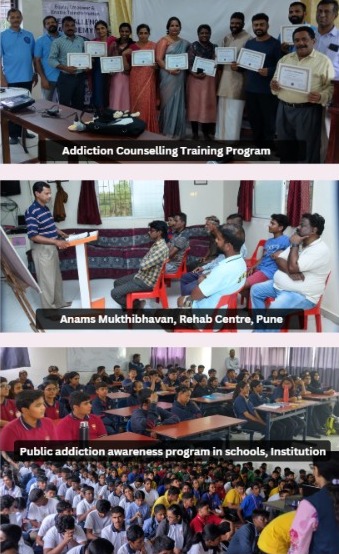
Today, addiction is no longer a distant social issue; it is increasingly affecting students, families, and communities. Experts working in de-addiction support say addiction is not only about substances such as alcohol or drugs. Often, it reflects deeper emotional, psychological, and social struggles.
One major factor is identity confusion. Many young people today search for belonging and self-worth in a fast-paced digital world. When they fail to find stability in family, values, or purpose, they may turn to substances or risky behaviours to feel accepted.
Another major cause is academic and social pressure. Students face intense competition and expectations from society. When they feel unable to meet these expectations, frustration and stress build up. Some turn to addictive behaviours as a temporary escape from pressure.
Emotional disappointments, such as relationship conflicts, exam failures, or family stress, also push young people toward harmful coping mechanisms. Without proper emotional support, addiction can appear to offer relief, even though it eventually worsens the problem.
Addiction often develops gradually, and there are warning signs. These may include sudden mood swings, secrecy, declining academic performance, unusual sleep patterns, or withdrawal from hobbies and family activities. Recognizing these signals early allows families and schools to intervene before the problem becomes severe.
Schools play a critical role in prevention. Instead of relying only on fear-based warnings, they should teach students practical life skills, stress management, emotional resilience, decision-making, and healthy coping strategies. Strong connections with teachers, mentors, and peer support systems also help students feel valued and less vulnerable to negative influences.
Mr. Babu P. John grew up in a large family where strong values, discipline, and hard work shaped his early life. Over the years, he built a career in the pharmaceutical industry and later worked abroad in the Gulf while raising his family. From the outside, life looked successful, with career stability, international exposure, and family responsibilities. Yet, over time, he felt a deeper calling to contribute to people’s lives in a more meaningful way. This realization led him to step away from the corporate world and focus on community service, mentoring, and guiding individuals struggling with addiction and life’s challenges.
Recovery is always possible. With patience, family support, counselling, and positive mentorship, many individuals have rebuilt their lives after addiction and regained their purpose in society.
The message for students is simple: pressures and struggles are a normal part of life, but escaping through addiction is never the answer. Building supportive relationships, staying open with family and mentors, and developing inner resilience can help young people protect themselves and move toward a healthier and more meaningful future.